
At Mission Critical Solutions, we’ve had the opportunity to go through several highly successful AISC audits over the past few years. While the outcome of those audits matter, what matters more to us is how we get there.
Audits aren’t won the day an auditor walks through the door. They’re the result of consistent habits, strong processes, and a team that takes ownership of quality every single day.
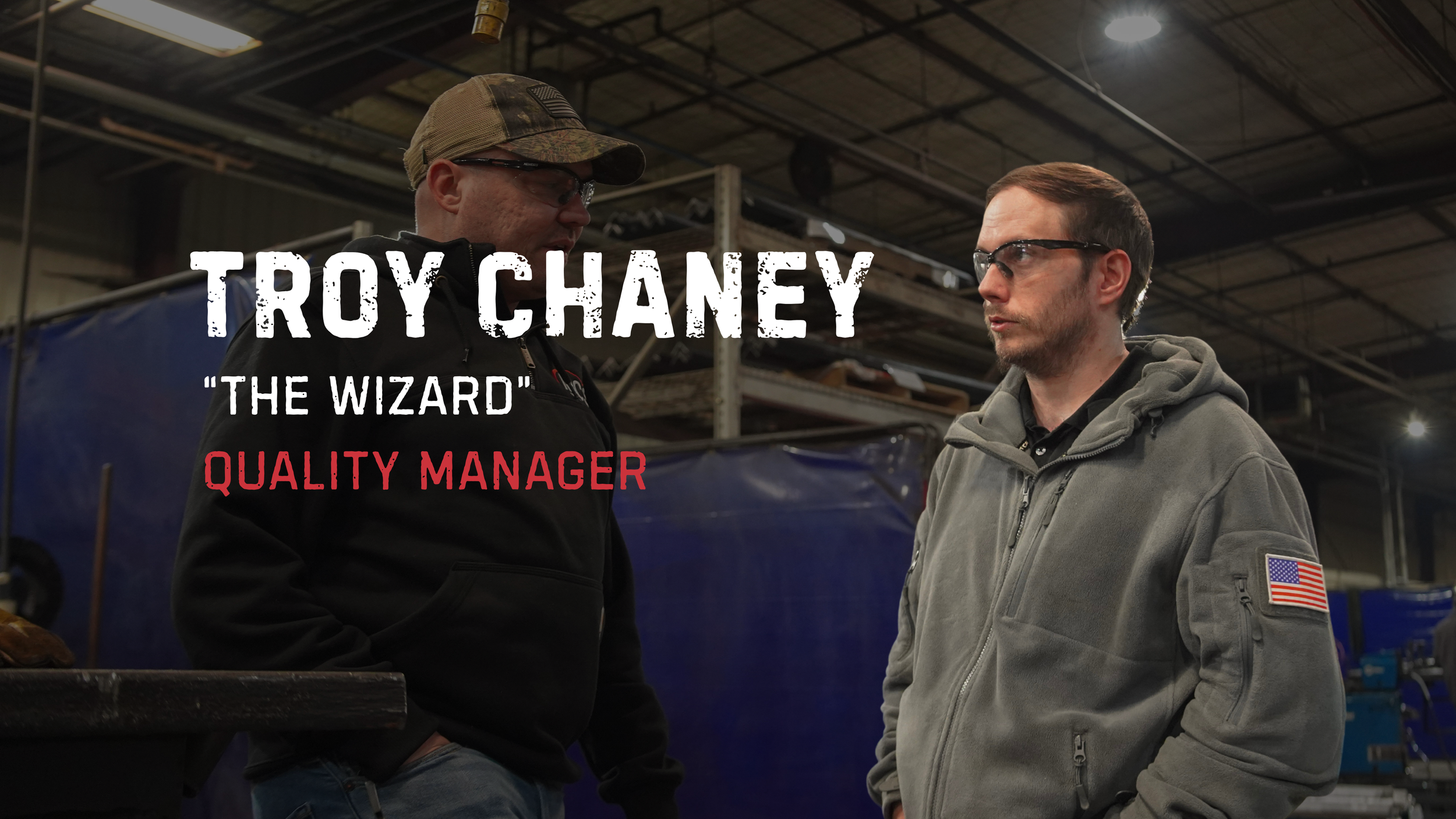
We asked our Quality Manager, Troy Chaney, to share some of the most commonly overlooked factors that can make or break an audit. His perspective reinforces a simple truth: success is built in the details.
The Often-Overlooked Factors That Matter Most
Controlled Document Discipline
One of the quickest ways to run into issues during an audit is outdated documentation on the shop floor. Drawings, procedures, and work instructions must always reflect the latest approved revisions. It sounds simple but it requires constant discipline and awareness across the team.
Welder Qualification Records
Welding quality isn’t just about execution... it’s about documentation and traceability. Maintaining current and complete records for WPSs, PQRs, and welder continuity ensures that every weld can be backed by proper qualification.
NCR & Corrective Action Follow-Through
Identifying a nonconformance is only part of the process. Auditors are looking for evidence that root causes were identified, corrective actions were implemented, and those actions were verified and closed. Leaving gaps here can raise immediate concerns.
Internal Audit Integrity
Internal audits should never feel like a formality. When done right, they serve as a proactive tool to uncover and resolve issues before they become external findings. A strong internal audit program demonstrates that a quality management system is truly functioning.
Training & Competency Documentation
Having a skilled workforce is critical but being able to prove it is just as important. Keeping training records current ensures that every role is supported by verified competency.
Calibration Control
Inspection tools and measuring equipment must be calibrated, tracked, and documented. Expired or missing calibration records are among the most avoidable audit findings when systems are properly maintained.
Part Identification & Traceability
Every part in production should be clearly identified at all times by job number, part number, and inspection status. Strong traceability reflects process control and builds confidence in the final product.
Cleanliness & Organization
First impressions matter. A clean, organized facility signals that quality is embedded in the culture not just documented on paper.
Why This Matters to Our Customers
While these practices are critical for audit success, their impact goes far beyond any single audit.
They ensure:
Consistency from one project to the next
Full traceability across materials and processes
Confidence that work is being completed to the highest standard
A team that is aligned, accountable, and detail-oriented
At the end of the day, audits are simply a reflection of the systems and culture already in place.
A Team-Driven Approach to Quality
At MCS, quality isn’t owned by one department... it’s shared across the entire team. From the shop floor to leadership, it’s the collective attention to detail that drives consistent results.
As Troy emphasized, the difference in a successful audit often comes down to the things that are easy to overlook but too important to ignore.
