
The Real Risk of AI in Manufacturing Is Ignoring It
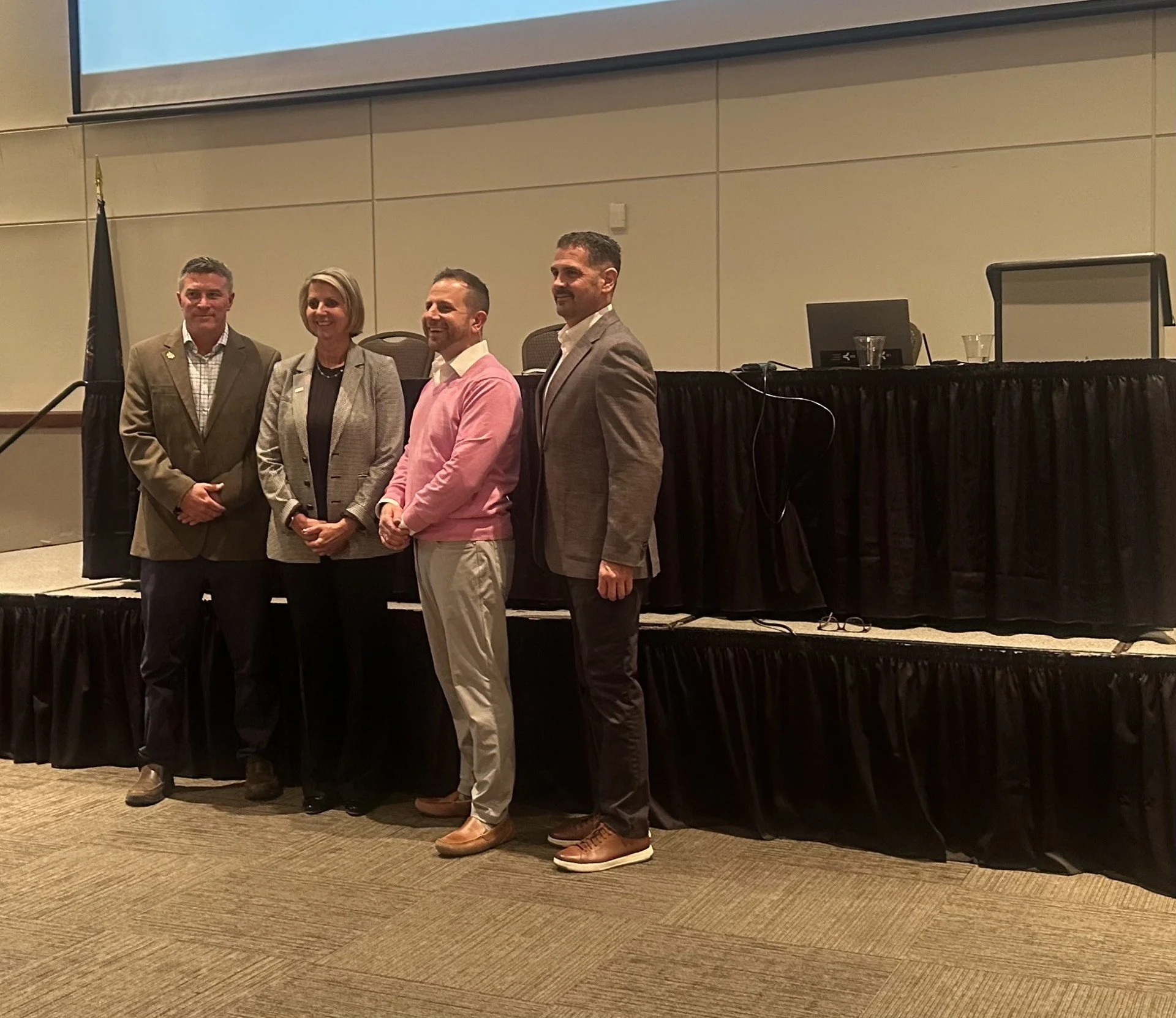
Last week, our Vice President of Operations, Darin Mauzy, had the opportunity to participate in a panel discussion focused on the growing role of artificial intelligence in manufacturing. The event, hosted by the Cambria County Chamber, JARI, and Catalyst Connection sparked thoughtful conversation around a topic that often comes with equal parts excitement and concern.
One message from Darin’s discussion stood out clearly:
AI should not be viewed as a threat to skilled trades but as a tool to strengthen them.
Removing Administrative Drag
In small and mid-sized manufacturing environments, highly skilled people often spend too much time on administrative work that pulls them away from where they add the most value. Darin emphasized that AI’s real power lies in removing this “administrative drag”—freeing welders, machinists, engineers, and leaders to focus on problem-solving, craftsmanship, and execution.
AI isn’t replacing hands-on skills. It’s clearing the runway so those skills can shine.
Speed and Insight Where It Matters Most
Another key point centered on pace. AI has the potential to help teams operate faster and smarter, particularly in areas like:
● Estimating
● Supply Chain
● Administrative and data-heavy workflows
By surfacing data points we might otherwise miss and connecting dots across systems and processes, AI can highlight inefficiencies and opportunities for improvement without adding headcount or complexity.
Buy-In Matters More Than Speed
One of the most important takeaways from Darin’s perspective was the human side of AI adoption.
Rolling out AI isn’t something you “snap a chalk line” on and announce overnight.
Some people will naturally be hesitant. That’s okay and expected. Darin stressed the importance of:
● Gradually building buy-in
● Inviting input from the team
● Giving people space to learn, experiment, and understand how AI can help them
When people are part of the process, adoption becomes collaboration…not compliance.
Do Your Homework on the Tools
Finally, Darin highlighted the need for manufacturers to do their own research when selecting AI tools; especially when it comes to data security.
Not every organization can (or should) operate in open environments like OpenAI. Understanding where your data lives, how it’s protected, and which tools align with your security requirements is critical.
The Bottom Line
AI isn’t about replacing people; it’s about empowering them.
But one point was made clear: if you aren’t already exploring how AI fits into your operation, you’re behind.
The manufacturers who win won’t be the ones who rush blindly but the ones who adopt thoughtfully, involve their people, and use AI to make skilled teams even stronger.
